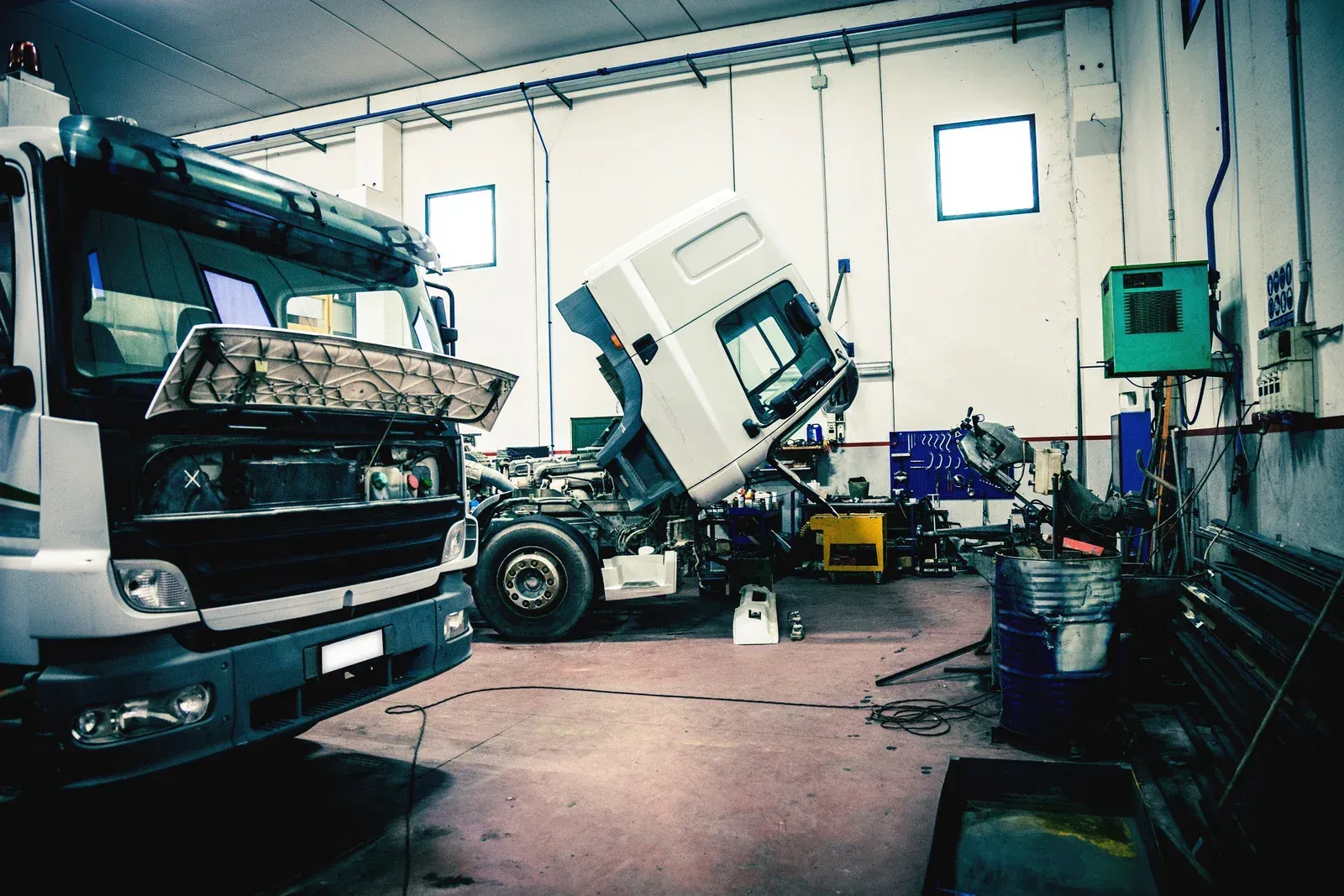
Bucket Truck Repair: Key Maintenance Tips for Safety and Longevity
Bucket trucks, also known as aerial lift trucks or cherry pickers, are indispensable tools in industries ranging from utility services to tree care and telecommunications. Their ability to safely elevate personnel to considerable heights makes them essential for efficient operations. However, the high level of functionality and safety these vehicles provide comes with a responsibility: proper maintenance. Neglecting regular upkeep not only jeopardizes the longevity of the truck but also poses significant safety risks for operators and surrounding personnel. With the rise in demand for specialized aerial work, understanding the nuances of bucket truck repair and preventive maintenance has never been more relevant.
Regular maintenance is not merely about compliance or avoiding downtime; it directly impacts operational efficiency and worker safety. From inspecting hydraulic systems to ensuring the structural integrity of the boom, every aspect plays a crucial role in performance. This blog explores key maintenance strategies for bucket trucks, providing actionable tips for operators, fleet managers, and service providers. By implementing structured repair protocols and proactive inspections, businesses can minimize costly repairs, extend vehicle life, and, most importantly, ensure a safe working environment. Whether you’re managing a single truck or an entire fleet, these insights are vital for optimizing performance and safeguarding personnel.
1. Understanding the Importance of Regular Maintenance
The Role of Preventive Maintenance
Preventive maintenance is the cornerstone of bucket truck safety and reliability. Unlike reactive repairs, preventive strategies focus on identifying potential issues before they escalate into major problems. Routine inspections can reveal early signs of wear, leaks, or structural fatigue that could compromise performance. Implementing scheduled maintenance protocols ensures that the truck operates at peak efficiency and reduces the risk of sudden failures on the job site.
Safety Implications of Neglect
Neglecting regular maintenance can have severe consequences. A hydraulic failure or boom malfunction at height is not just a costly repair—it can result in serious injuries or fatalities. OSHA regulations and industry safety standards emphasize that aerial lift equipment must be regularly inspected and maintained. Businesses that adhere to these guidelines not only comply with legal requirements but also protect their workforce and maintain operational credibility.
Cost Benefits Over Time
Investing in regular maintenance is economically advantageous. While preventive inspections may seem time-consuming, they prevent expensive repairs, reduce downtime, and extend the life of the equipment. Real-world fleet data shows that trucks with structured maintenance programs experience fewer breakdowns, leading to significant cost savings over the lifespan of the vehicle.
2. Essential Inspection Areas for Bucket Trucks
Hydraulic System Checks
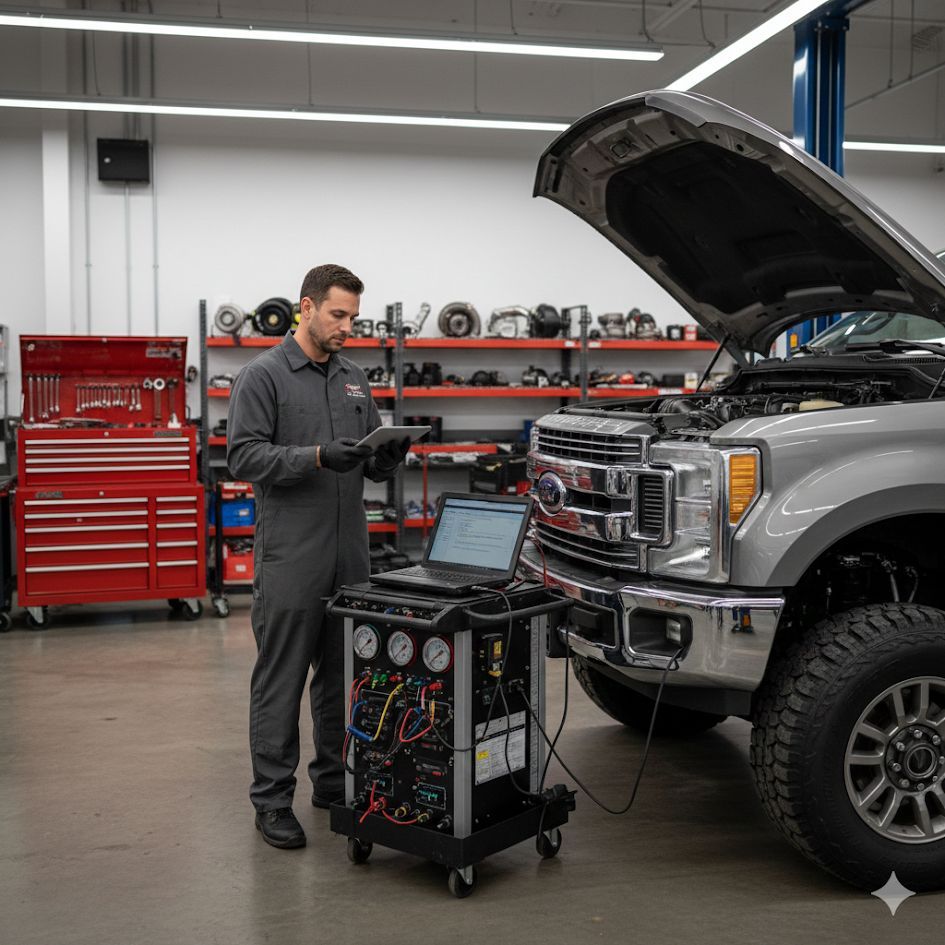
The hydraulic system powers the boom’s movement and lifting capability, making it critical to inspect regularly. Look for fluid leaks, worn hoses, or abnormal noises during operation. Hydraulic fluid levels and quality should be checked frequently, as contaminated or low fluid can reduce efficiency and increase wear on components.
Boom and Structural Integrity
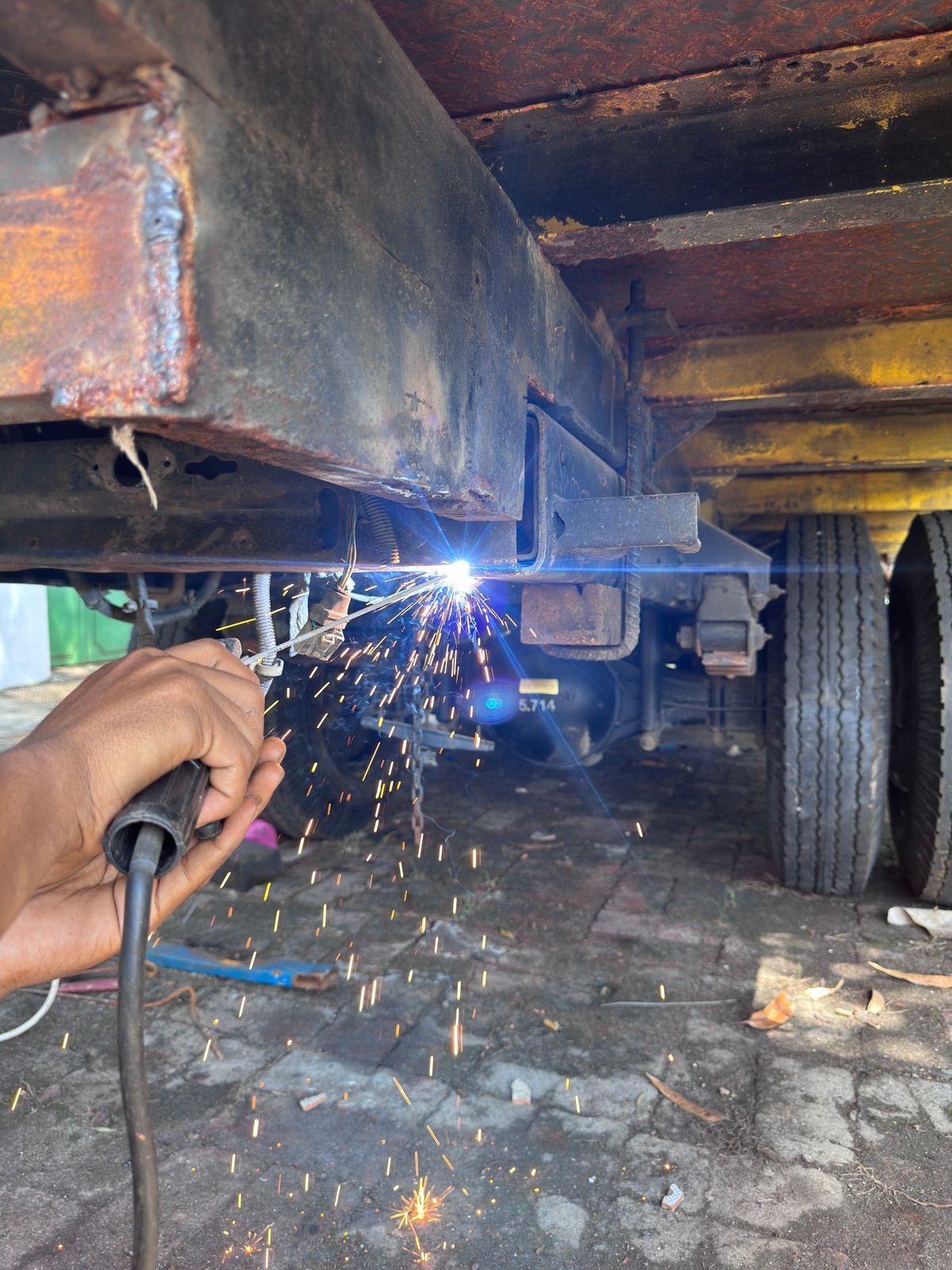
The boom is the heart of a bucket truck. Regular inspections should focus on cracks, corrosion, or deformation in the boom structure. Pay close attention to weld joints, pivot points, and mounting areas, as these are common stress points. Even minor damage can compromise the stability and safety of the truck during operation.
Tires, Brakes, and Suspension
Proper tire pressure and tread depth are vital for stability and traction. Uneven wear may indicate alignment issues or suspension problems. Brakes should be tested routinely to ensure they can handle the additional load when the boom is extended. Suspension inspections also prevent uneven stress on the vehicle frame and improve ride safety.
Electrical Systems and Controls
Aerial lift trucks rely heavily on electrical systems to control the boom and safety mechanisms. Regularly inspect wiring, switches, and control panels for signs of damage or wear. Malfunctioning controls can lead to operational errors, so ensuring electrical systems are fully functional is essential for safe operation.
3. Routine Maintenance Procedures
Daily Pre-Operation Checks
Before each use, operators should conduct a brief but comprehensive inspection. Check fluid levels, tire conditions, control responsiveness, and boom operation. This routine not only identifies immediate issues but also fosters a culture of safety among operators.
Scheduled Maintenance Intervals
Beyond daily checks, bucket trucks require scheduled maintenance at set intervals, typically defined by manufacturer recommendations or usage hours. These services often include oil and filter changes, hydraulic fluid replacement, lubrication of moving parts, and detailed structural inspections. Maintaining a log of these activities helps track the truck’s health over time and ensures compliance with safety standards.
Lubrication and Moving Parts
Proper lubrication of all moving components, including boom pivots, joints, and turntables, reduces friction and wear. Using manufacturer-specified lubricants is crucial, as the wrong type can damage components or degrade performance. Routine lubrication helps prevent premature mechanical failure and ensures smooth, reliable operation.
Cleaning and Corrosion Prevention
Buckets and booms are exposed to the elements, which can lead to rust and corrosion. Regular cleaning, especially after exposure to salt, moisture, or debris, helps prevent deterioration. Protective coatings or rust inhibitors can be applied to vulnerable areas, extending the life of structural components.
4. Common Repairs and How to Address Them
Hydraulic Leaks and Component Replacement
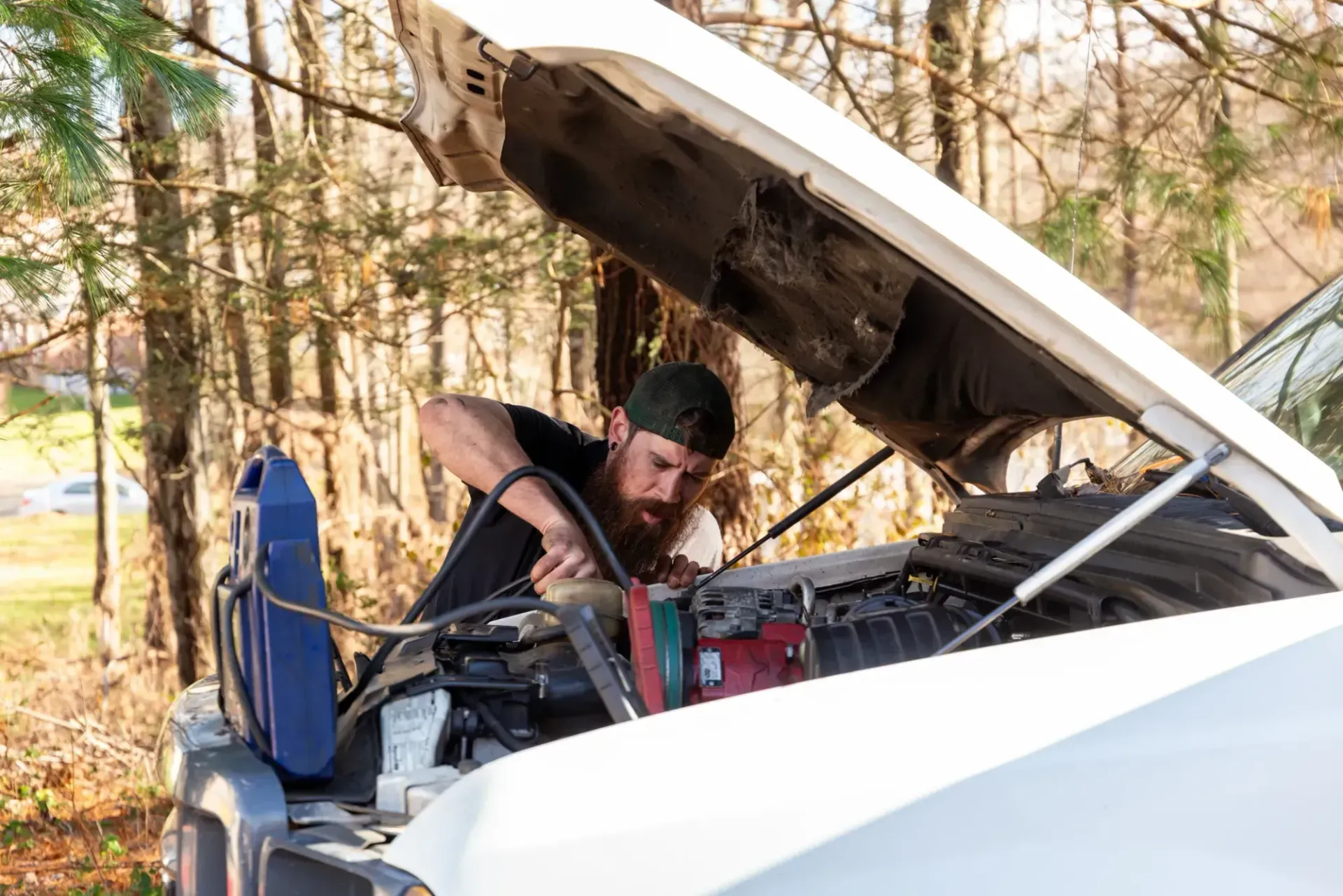
Hydraulic leaks are one of the most common issues in bucket trucks. These can occur at hose connections, cylinders, or seals. Promptly addressing leaks prevents system inefficiency and avoids potential accidents. Replacing worn hoses, seals, and fittings should always follow manufacturer specifications to maintain performance integrity.
Boom Malfunctions and Repairs
Boom problems can range from minor alignment issues to serious structural damage. Repairs may involve realigning components, welding cracks, or replacing worn parts. Certified technicians should perform major boom repairs to ensure safety and compliance with industry standards.
Electrical Failures
Electrical failures in control systems or safety interlocks can immobilize a bucket truck or create hazardous situations. Diagnosing these issues often involves checking circuit continuity, fuses, and relays. Replacing damaged wiring or faulty components promptly restores safe operational capability.
Engine and Drivetrain Maintenance
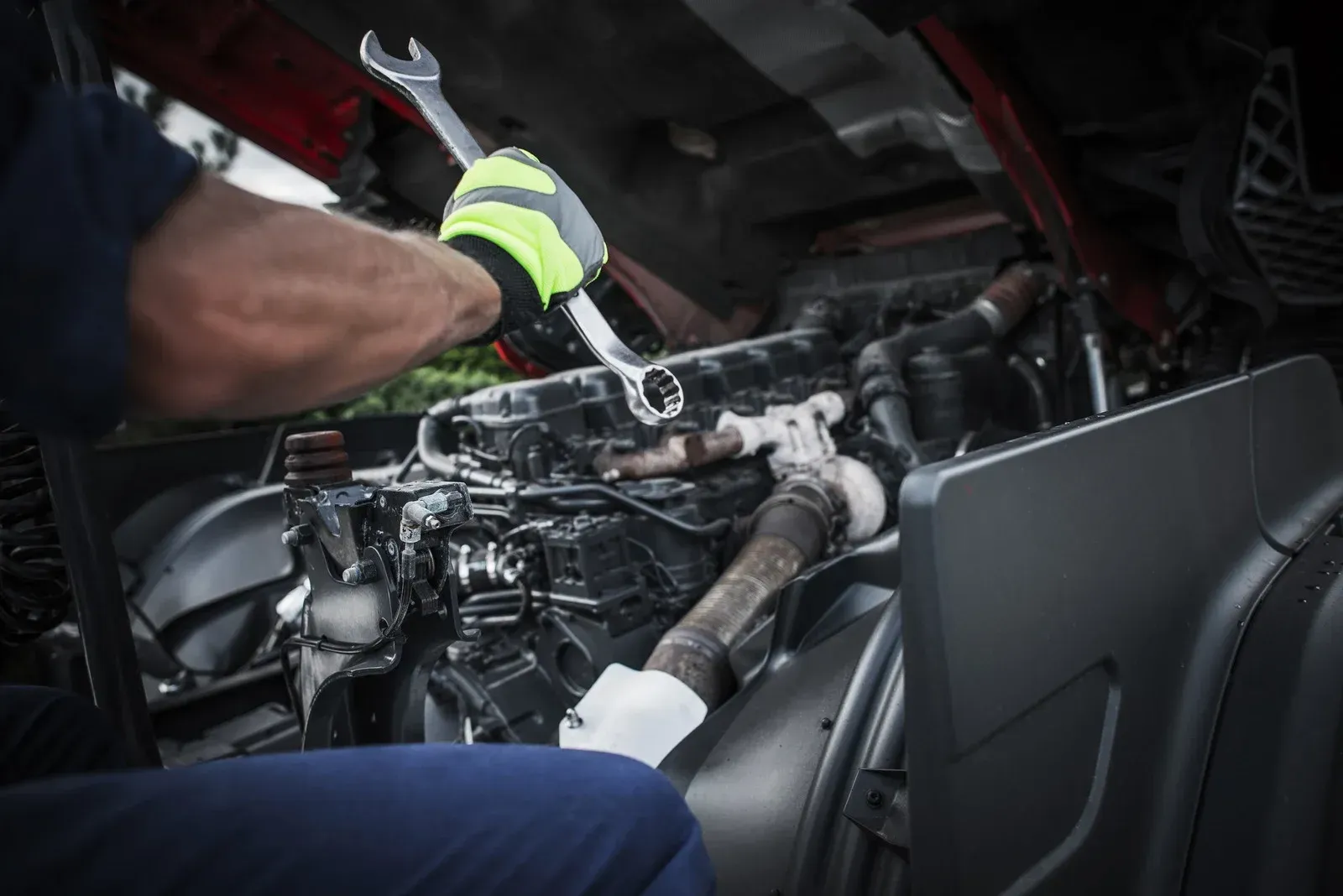
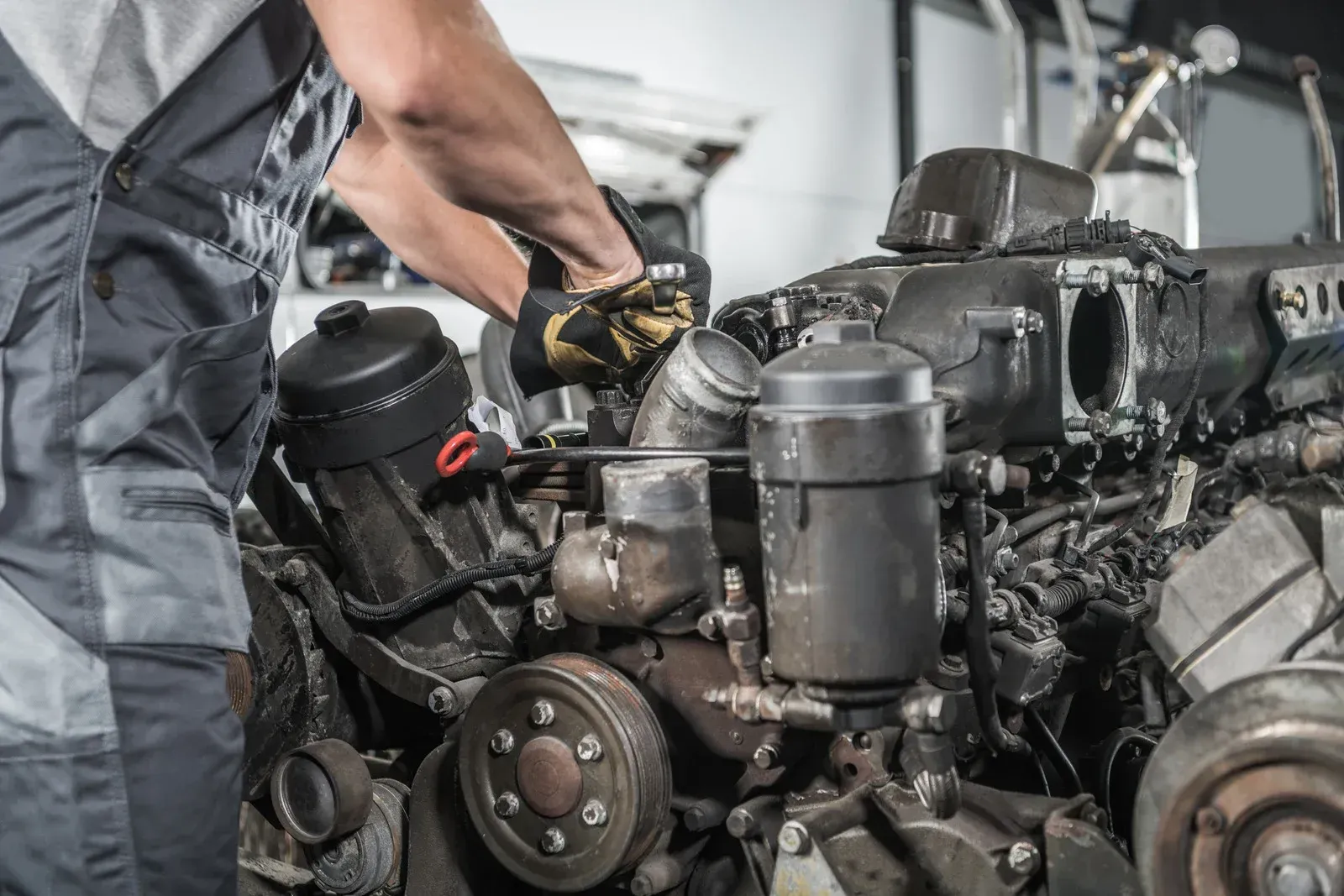
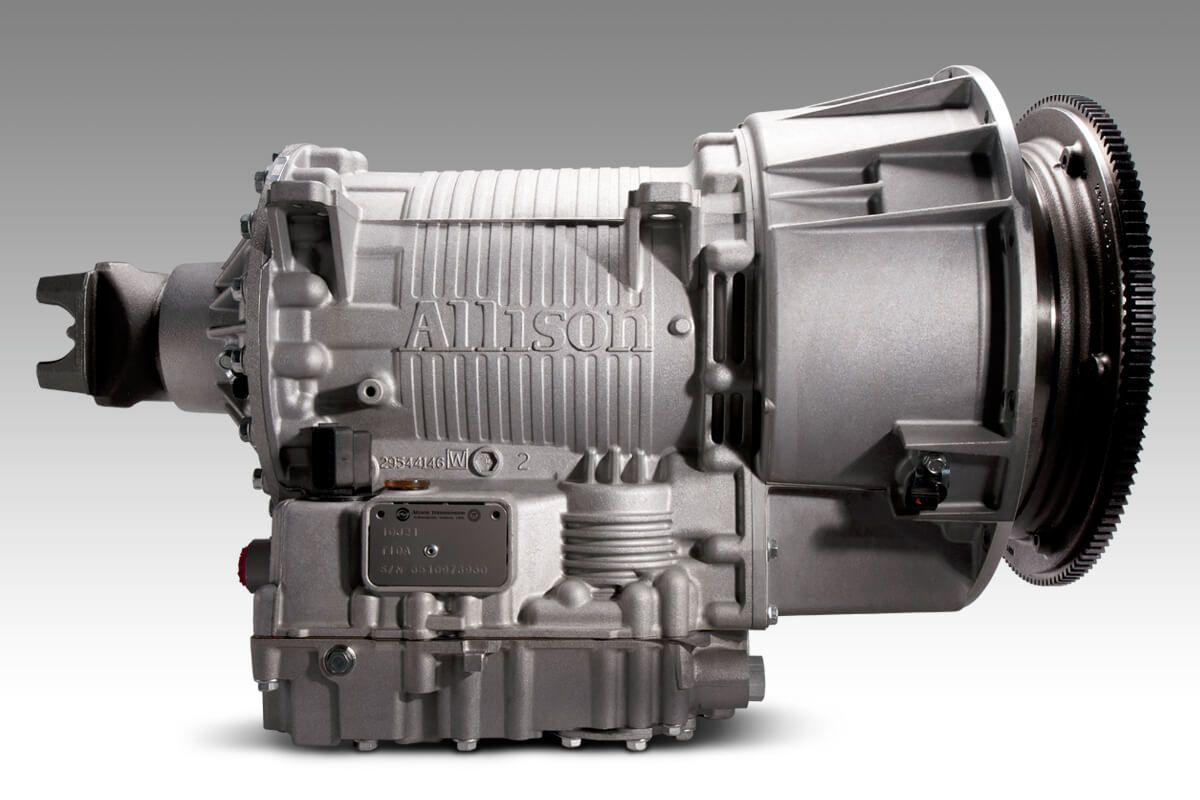
Like any heavy vehicle, bucket trucks require regular engine and drivetrain maintenance. Oil changes, filter replacements, and transmission inspections are vital for reliable operation. Ensuring the drivetrain is in top condition prevents breakdowns during critical aerial tasks.
5. Operator Training and Safety Practices
Importance of Skilled Operators
Even a well-maintained bucket truck can become dangerous in inexperienced hands. Proper training in boom operation, load limits, and emergency procedures is essential. Skilled operators recognize early warning signs of mechanical issues and follow safety protocols that reduce the likelihood of accidents.
Safety Gear and Procedures
Operators should always use appropriate personal protective equipment (PPE), including harnesses, hard hats, and gloves. Following standardized safety procedures, such as setting outriggers correctly and ensuring proper ground stability, enhances overall safety during operations.
Documentation and Reporting
Maintaining accurate maintenance logs, inspection reports, and repair records is not just regulatory—it’s a safety practice. Documenting issues allows for trend analysis, early detection of recurring problems, and accountability for repairs. This systematic approach supports fleet managers in making informed maintenance decisions.
6. Extending Bucket Truck Lifespan Through Proactive Care
Implementing Fleet Management Software
For businesses operating multiple bucket trucks, fleet management software can track maintenance schedules, repair histories, and operator usage. This data-driven approach enables proactive maintenance, reduces unplanned downtime, and extends the operational lifespan of the fleet.
Regular Component Upgrades
Over time, technology and materials improve. Upgrading hydraulic hoses, boom components, or control systems can enhance performance and reliability. Proactive replacements prevent older parts from causing failures and maintain the truck’s efficiency.
Environmental Considerations
Operating conditions, such as extreme temperatures, wet environments, or rugged terrain, affect truck wear. Adjusting maintenance schedules to account for these conditions ensures that trucks remain reliable under all circumstances. For instance, frequent inspections and corrosion prevention are crucial for coastal or winter operations.
Partnering with Certified Repair Providers
Working with certified repair technicians and authorized service centers ensures that maintenance and repairs meet industry standards. Professional service providers have the expertise to identify subtle issues that might be missed during routine checks, contributing to long-term safety and performance.
Trusted Experts in Bucket Truck Care and Maintenance
Proper bucket truck maintenance is a combination of diligent inspections, timely repairs, operator training, and proactive fleet management. Addressing hydraulic, electrical, and structural components with a structured maintenance approach reduces risk, enhances safety, and maximizes the truck’s lifespan. Businesses that prioritize regular care avoid unexpected breakdowns, minimize repair costs, and create a safer work environment for personnel working at heights. Implementing best practices and leveraging expert advice ensures that bucket trucks remain reliable assets for years of heavy-duty operation.
Professional Bucket Truck Repairs from Trusted Technicians
Maintaining a bucket truck is far more than a routine task; it is a critical component of operational efficiency and workplace safety. By focusing on hydraulic systems, boom integrity, electrical controls, and engine performance, operators and fleet managers can prevent accidents, reduce costly repairs, and extend the vehicle’s lifespan. Daily inspections, scheduled maintenance, proper lubrication, and professional repair services form the backbone of a reliable maintenance program. Operator training and adherence to safety procedures further enhance the protective measures in place, ensuring both the truck and its personnel remain safe during high-risk operations.
At Stanley & Sons Services
in Middletown, CT, we leverage over 20
years of industry experience to provide
expert bucket truck repair
and maintenance solutions. Our team is committed to delivering dependable, efficient, and safety-focused services, ensuring that every truck we service performs at its peak. Businesses across the region trust our knowledge and professionalism to safeguard their operations, extend equipment life, and maintain compliance with the highest industry standards.