Autobody Repairs: Restoring Your Truck’s Look and Functionality
Owning a truck comes with a unique blend of utility, pride, and responsibility. Trucks endure demanding conditions, from long hauls on highways to rugged off-road terrains, often exposing them to dents, scratches, and structural wear. Over time, even minor cosmetic damages can escalate into functional issues, impacting not just the aesthetics but also the performance and resale value of your vehicle. Autobody repairs play a critical role in maintaining a truck’s appearance and operational integrity, ensuring it remains a reliable companion for daily use or professional duties.
In today’s automotive landscape, truck owners face the challenge of finding repair solutions that are both effective and efficient. Whether it’s a minor dent, a paint scratch, or collision damage, professional autobody services are designed to address these problems with precision. Beyond mere cosmetic improvements, these repairs restore structural stability, protect against corrosion, and safeguard vehicle longevity. For truck owners, understanding the scope, process, and benefits of autobody repairs is essential to making informed decisions. This blog explores the key aspects of truck autobody repair, offering practical insights, real-world scenarios, and expert guidance to help owners maintain their vehicles’ functionality and curb appeal.
1. Understanding Autobody Repairs
What Autobody Repair Entails
Autobody repair involves restoring a vehicle’s exterior and structural components after damage. While often associated with cosmetic improvements like paintwork and dent removal, it extends to frame straightening, panel replacement, and corrosion control. For trucks, which are frequently subjected to harsh driving conditions, autobody repair ensures that both form and function are preserved.
Common Types of Truck Damage
Truck damage can result from various incidents, including collisions, off-road usage, parking lot accidents, and environmental exposure. Common issues include:
- Dents and dings: Caused by minor impacts or falling objects.
- Scratches and paint chips: From road debris or improper handling.
- Frame and structural damage: Usually from accidents or heavy load impacts.
- Rust and corrosion: Particularly on trucks exposed to moisture and salt.
Recognizing the type and severity of damage is crucial for selecting the appropriate repair method. DIY solutions may suffice for minor cosmetic issues, but structural damage and significant paint degradation require professional intervention.
2. The Benefits of Professional Autobody Repairs
Restoring Aesthetics and Resale Value
A visually appealing truck reflects its owner’s care and professionalism. Professional autobody repairs eliminate unsightly dents, scratches, and paint imperfections, restoring a truck’s showroom-like appearance. This not only enhances personal satisfaction but also significantly impacts resale or trade-in value. Vehicles with well-maintained exteriors command higher market prices compared to those showing visible damage.
Ensuring Safety and Structural Integrity
Structural damage affects more than appearance; it compromises safety. Collisions can misalign frames, weaken mounts, or damage crumple zones. Professional autobody repair involves precise assessment and correction, often using computerized frame straightening equipment, ensuring that the truck’s structural integrity is fully restored. This reduces the risk of further damage and maintains crashworthiness.
Long-Term Cost Savings
Neglecting minor damages can lead to escalating repair costs. Small paint chips can result in rust, and minor dents can stress adjacent panels. Professional repairs prevent such progression, ultimately saving truck owners time, money, and effort. Additionally, many auto body shops offer warranties, giving truck owners peace of mind that repairs are both thorough and durable.
3. Key Autobody Repair Techniques
Paintless Dent Repair (PDR)
PDR is a specialized method for removing minor dents without affecting the original paint. Technicians use specialized tools to gently massage the metal back into shape. This approach is cost-effective, preserves factory finishes, and reduces the need for repainting. It is ideal for hail damage, door dings, or small parking lot incidents.
Traditional Panel Replacement and Repair
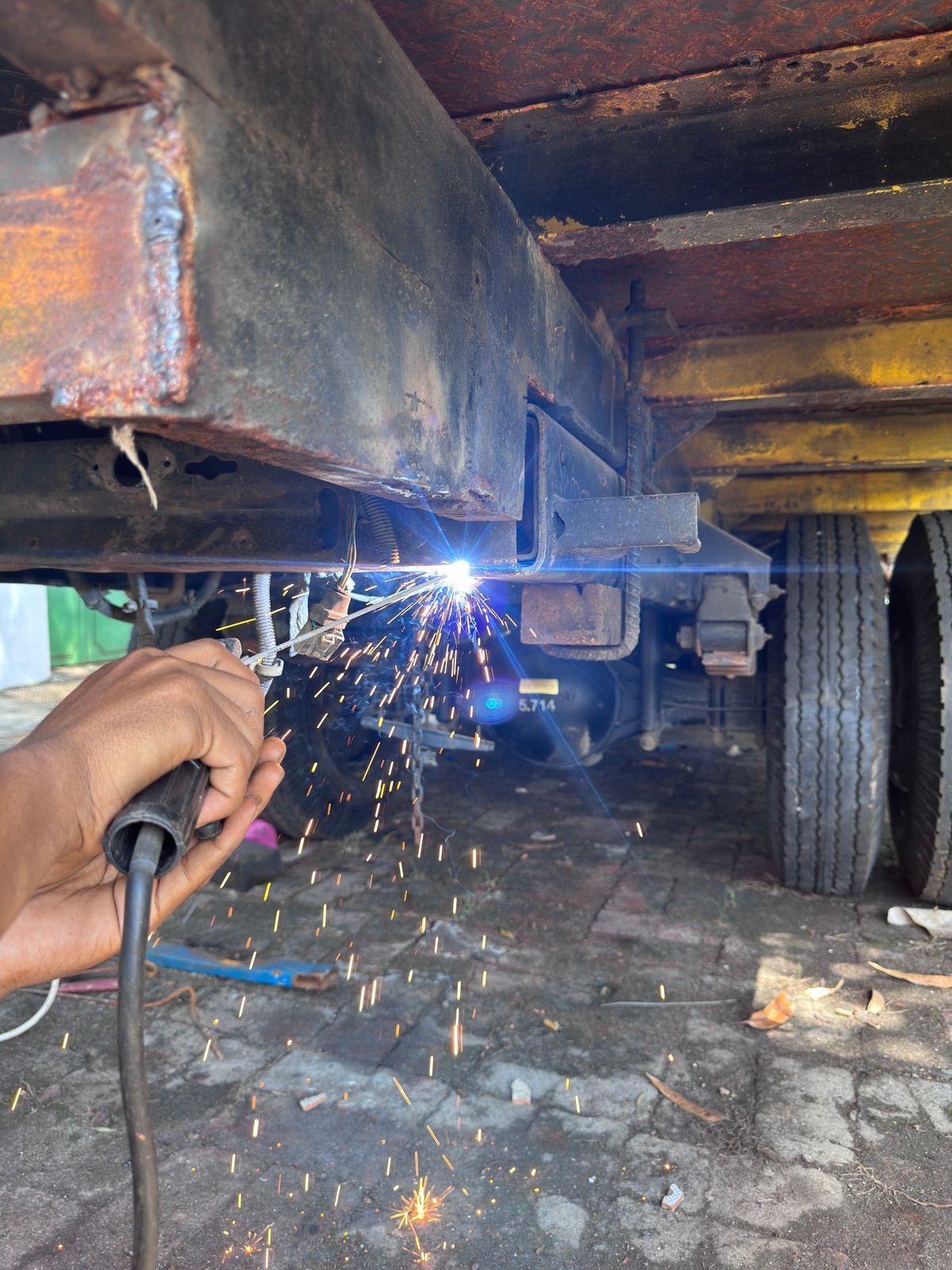
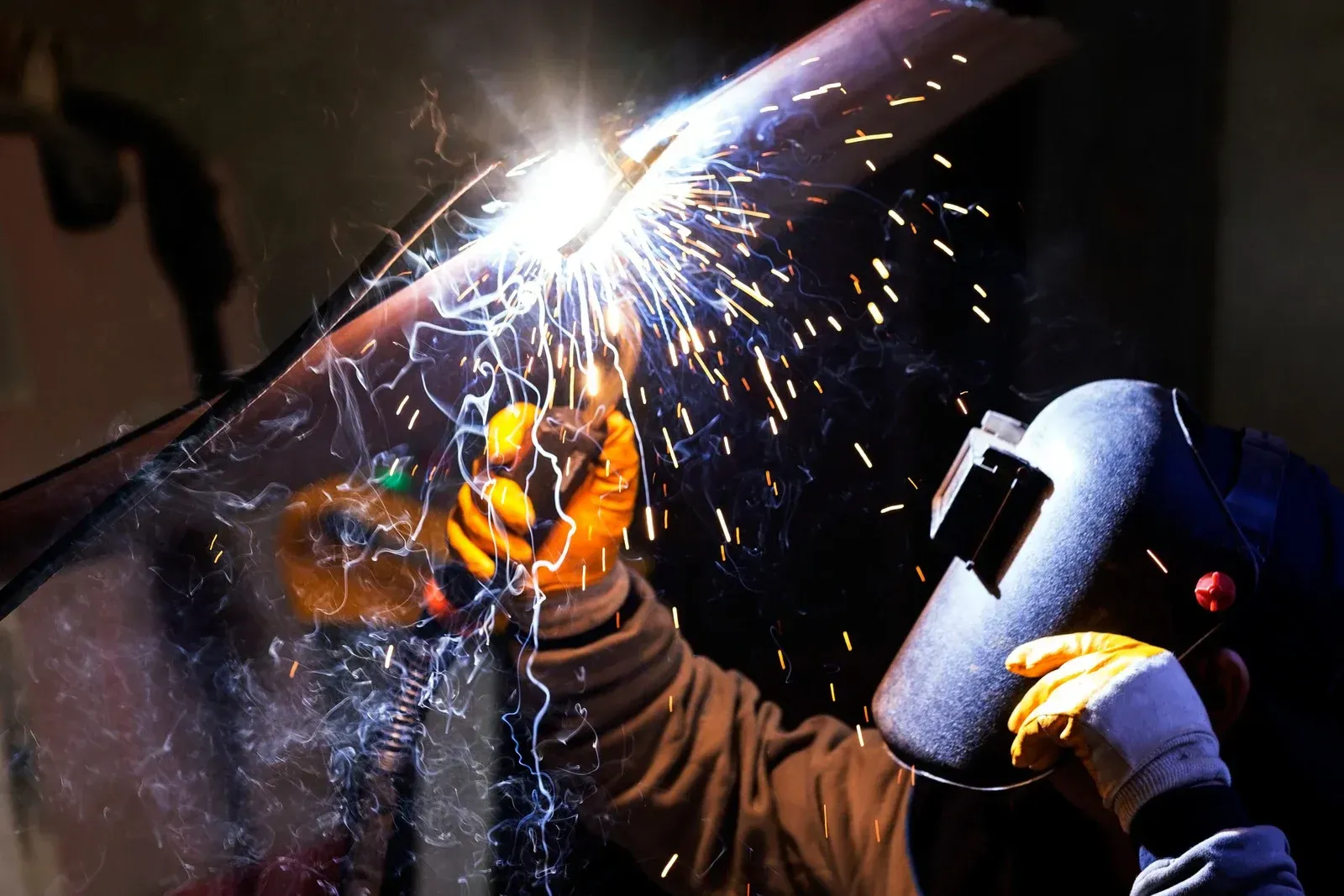
When damage is severe, such as torn panels, deep dents, or collision-related deformation, traditional repair methods are necessary. This involves cutting out damaged sections, welding in new panels, and refinishing the surface. Skilled technicians ensure precise alignment, seamless paint blending, and structural stability.
Frame Straightening and Alignment
Trucks involved in major collisions may suffer frame misalignment. Frame straightening uses hydraulic equipment and computerized measuring systems to restore the vehicle’s original dimensions. Proper alignment ensures safe handling, prevents uneven tire wear, and avoids stress on suspension components.
Paint Restoration and Coating
A fresh coat of paint can dramatically improve a truck’s appearance. Autobody professionals use advanced painting techniques, including color matching, clear coat application, and anti-corrosion treatments. Modern paint technologies provide long-lasting protection against UV rays, scratches, and environmental wear, maintaining the truck’s luster for years.
4. Challenges in Truck Autobody Repairs
Material and Structural Complexity
Modern trucks incorporate high-strength steel, aluminum, and composite materials, making repairs more complex. Aluminum panels, for instance, require specialized tools and techniques for straightening and welding. Improper handling can compromise integrity and void warranties, emphasizing the need for experienced technicians.
Hidden Damages
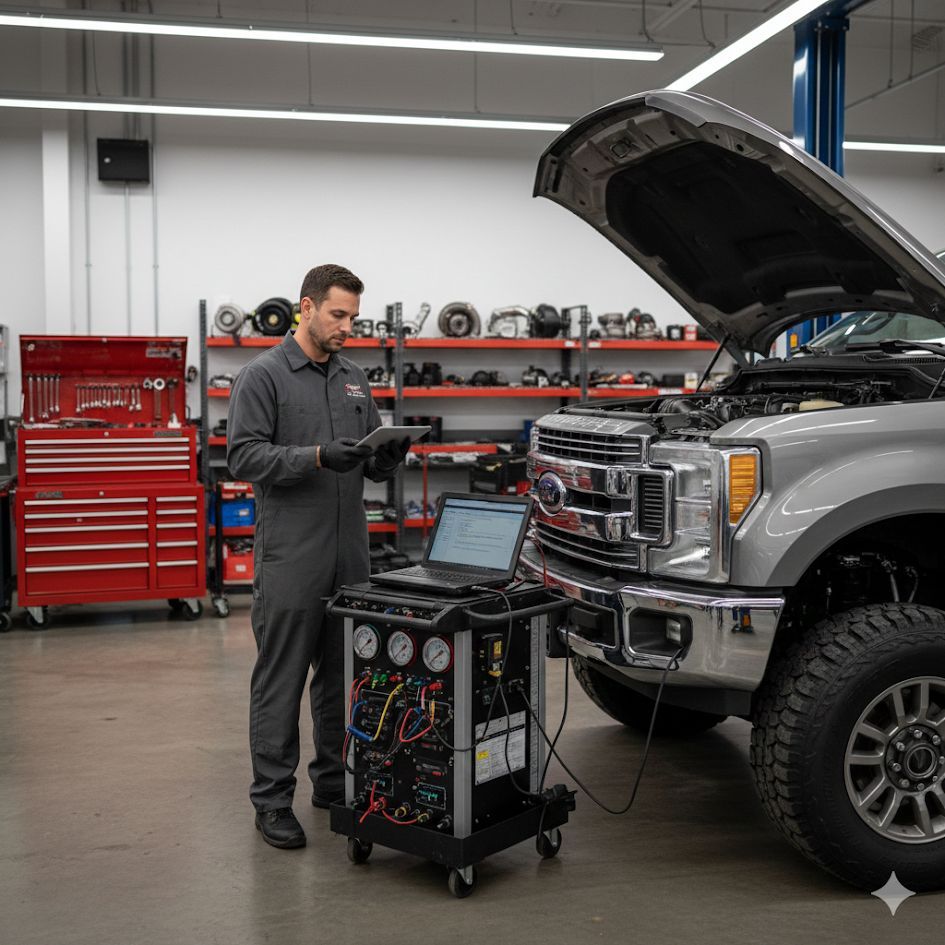
Visible dents or scratches may mask underlying structural or mechanical issues. Collision impacts can affect suspension mounts, wheel alignment, or internal reinforcement bars. Comprehensive inspections, often using computerized diagnostics, are critical to uncovering hidden problems and ensuring full restoration.
Environmental Factors
Trucks regularly exposed to harsh climates face accelerated wear. Salt, moisture, and UV exposure contribute to corrosion and paint fading. Autobody repair must address these factors through rust prevention treatments, protective coatings, and long-term maintenance recommendations.
Cost and Time Considerations
Depending on damage severity, repairs can be costly and time-consuming. Truck owners must balance repair urgency, budget constraints, and availability of specialized parts. Planning and consulting with experienced professionals ensures that repairs are efficient, durable, and cost-effective.
5. Best Practices for Maintaining Your Truck’s Appearance and Functionality
Regular Inspections
Routine inspections help identify minor damages before they escalate. Checking for dents, scratches, rust spots, and paint chips enables timely repairs. Early intervention prevents small issues from becoming structural problems, preserving both aesthetics and safety.
Prompt Repair of Minor Damages
Even seemingly minor dents and scratches can lead to corrosion or structural stress. Addressing them promptly ensures that your truck remains in top condition and prevents long-term deterioration.
Choosing the Right Repair Facility
Selecting a reputable autobody repair shop is essential. Look for certified technicians, modern equipment, positive customer reviews, and warranty-backed services. Professional facilities not only restore appearances but also ensure safety and longevity.
Preventive Measures
Applying protective coatings, using mud flaps, and parking in covered areas reduce exposure to environmental damage. Regular washing and waxing protect paint surfaces from rust, UV fading, and chemical damage. These preventive measures extend the lifespan of repairs and maintain your truck’s aesthetic appeal.
Documentation for Insurance and Resale
Maintain detailed records of repairs, including before-and-after photos and receipts. This documentation supports insurance claims and reassures prospective buyers of proper maintenance, directly impacting resale value.
6. Real-World Examples of Effective Autobody Repair
Collision Recovery
Consider a truck involved in a minor highway collision that left the front fender and bumper damaged. Professional autobody repair restored the panel alignment, replaced the bumper, and matched the paint flawlessly. The truck regained both its original appearance and handling safety, preventing further mechanical stress.
Off-Road Damage Repair
A truck used for off-road adventures may sustain dents, scratches, and undercarriage wear. Autobody services can restore the exterior, protect vulnerable panels with rustproof coatings, and repair suspension mounts. The result is a durable, visually appealing truck ready for future challenges.
Long-Term Maintenance Success
Trucks exposed to coastal environments often experience accelerated corrosion due to salt and moisture. Proactive autobody repairs, including rust treatment and clear coat protection, prevented structural damage and preserved the vehicle’s value over years of use.
These scenarios illustrate that professional autobody repair extends beyond aesthetics. It ensures functionality, safety, and long-term value retention, providing truck owners with tangible benefits in everyday use.
Experienced Professionals Providing Dependable Truck Repair Solutions
Autobody repairs are a vital investment for truck owners seeking to maintain both the visual appeal and operational reliability of their vehicles. From minor dents and scratches to collision-related structural damage, professional repair services restore functionality, safety, and market value. By employing advanced techniques such as paintless dent repair, panel replacement, frame straightening, and protective coatings, technicians ensure trucks remain in optimal condition. Understanding common challenges, preventive strategies, and repair best practices empowers owners to make informed decisions and maintain their trucks efficiently.
For truck owners in Middletown, CT, Stanley & Sons Services
provides trusted autobody repair solutions backed by 20 years of industry experience. Our skilled technicians specialize in restoring trucks to their original look and functionality, employing modern equipment, precise repair techniques, and high-quality materials. Whether addressing minor cosmetic issues or complex collision damage, Stanley & Sons Services
ensures safety, durability, and aesthetic excellence. Committed to customer satisfaction and professional integrity, we offer reliable, efficient, and cost-effective repairs that keep your truck performing at its best for years to come.