Roadside Truck Service: What to Expect and How It Can Save You Time
Driving a truck comes with its unique set of challenges. Long hauls, tight schedules, and unpredictable weather can all contribute to unexpected breakdowns or mechanical issues. When your truck fails on the road, it’s not just an inconvenience—it can disrupt deliveries, compromise safety, and cost you valuable time and money. Roadside truck service exists to address these challenges, offering professional, immediate assistance to keep trucks running smoothly and minimize downtime. Whether it’s a flat tire, a dead battery, fuel issues, or mechanical failure, having access to reliable roadside assistance is crucial for drivers and fleet operators alike.
Understanding what to expect from roadside truck services can make a significant difference in how quickly problems are resolved. From initial contact to on-site repairs and towing, every step is designed to restore mobility efficiently and safely. By familiarizing yourself with the process, common services, and best practices, you can avoid unnecessary stress and ensure that you’re prepared for any situation. This guide explores the key aspects of roadside truck service, highlighting practical tips, real-world scenarios, and ways it can save both time and resources for truck operators and businesses.
1. Common Roadside Truck Issues
Mechanical Failures
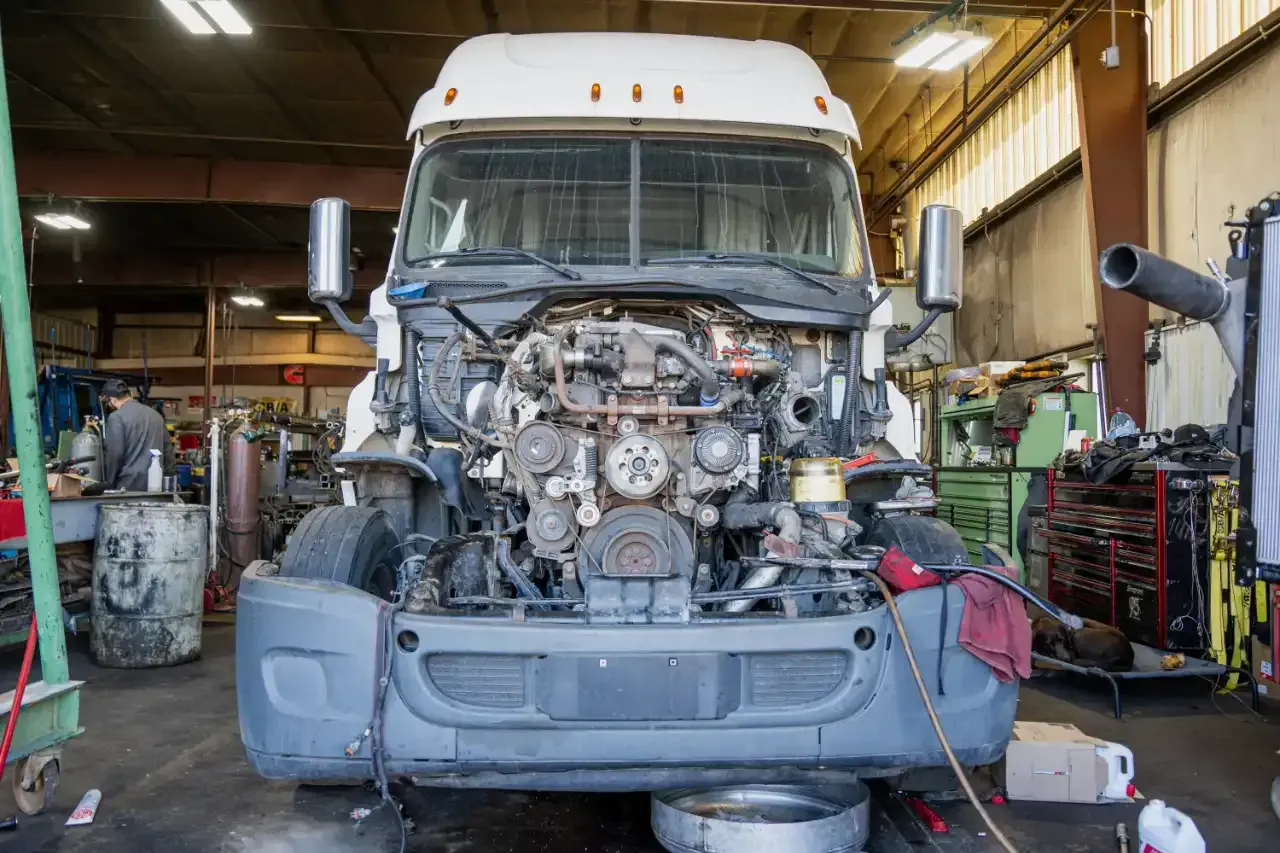
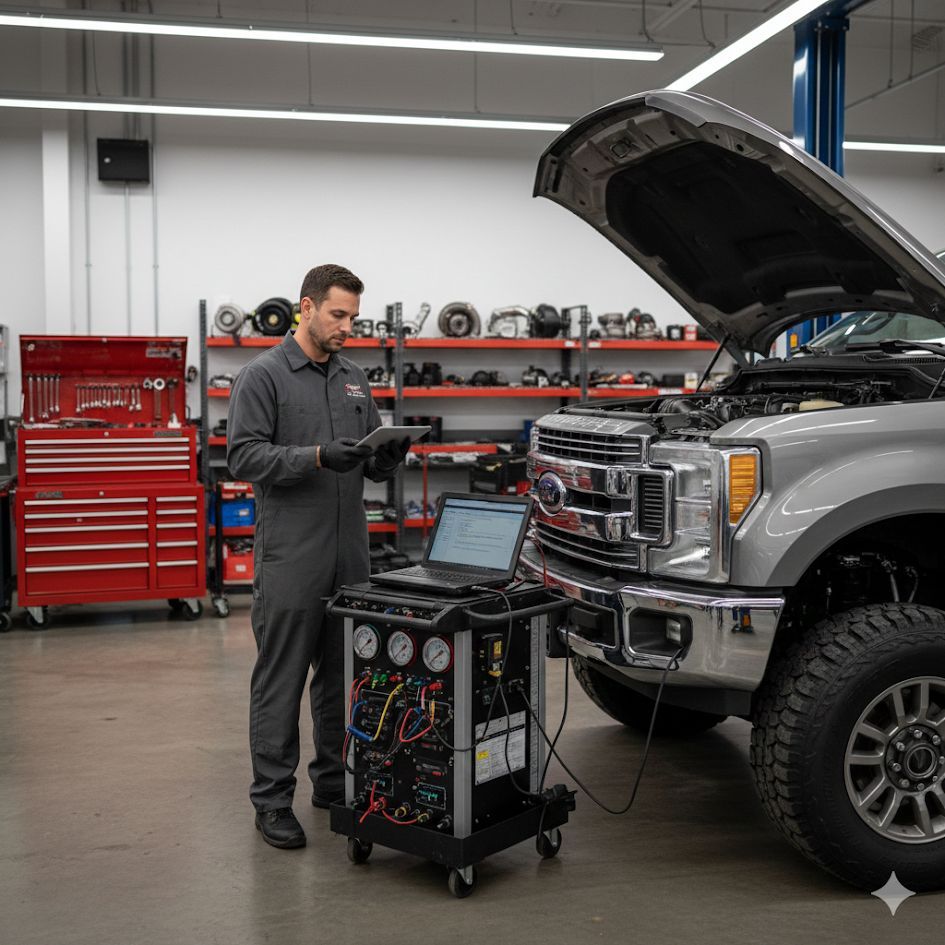
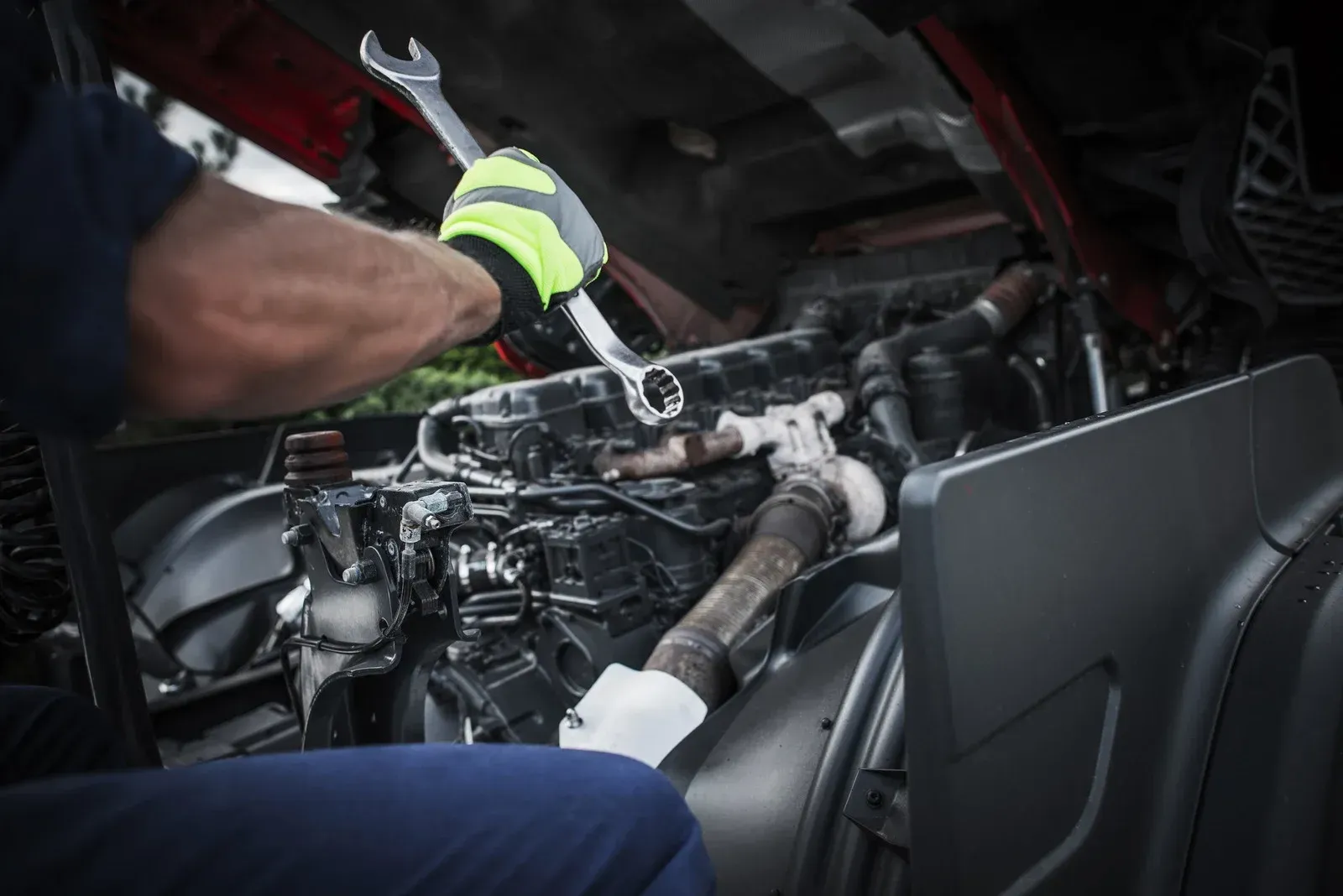
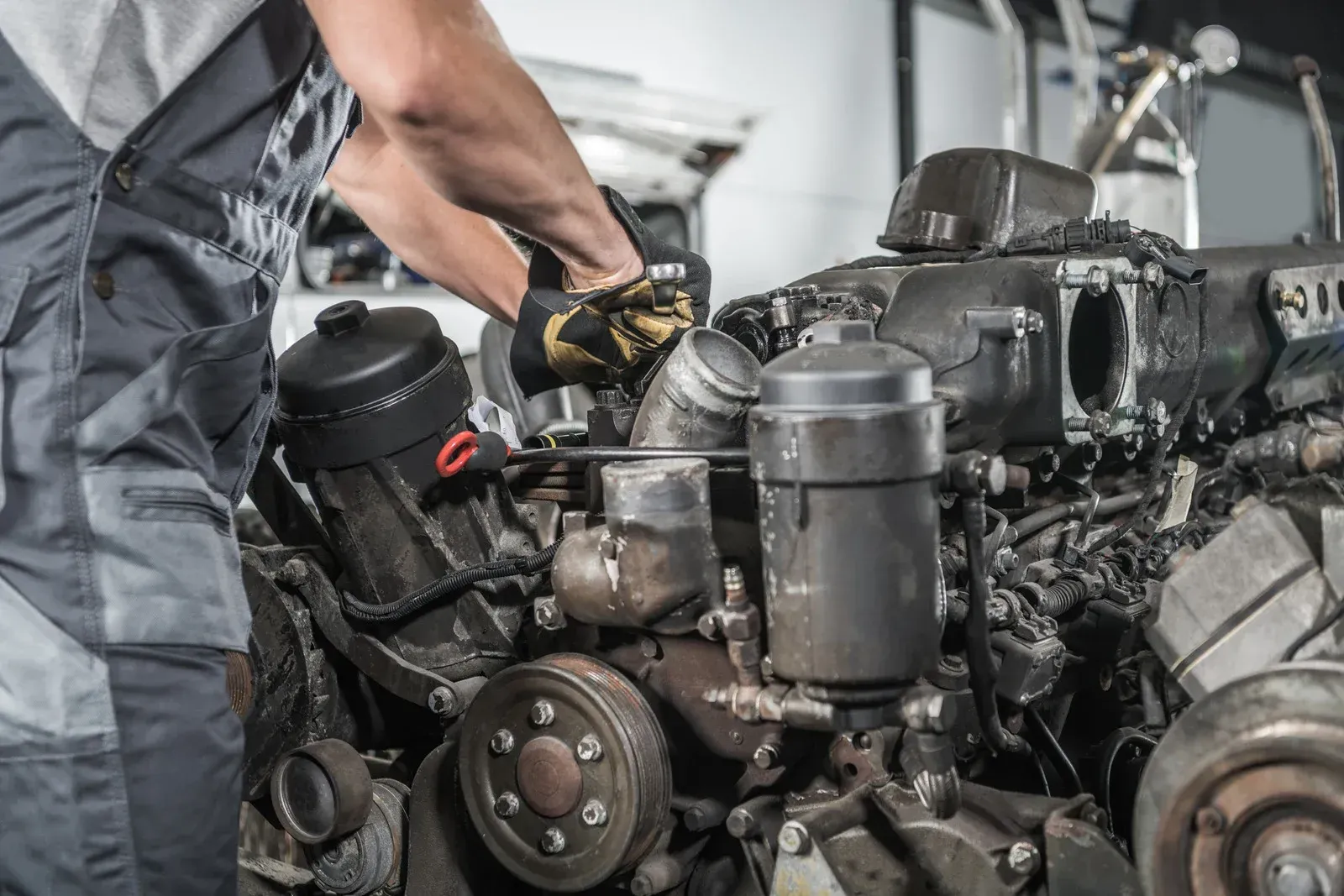
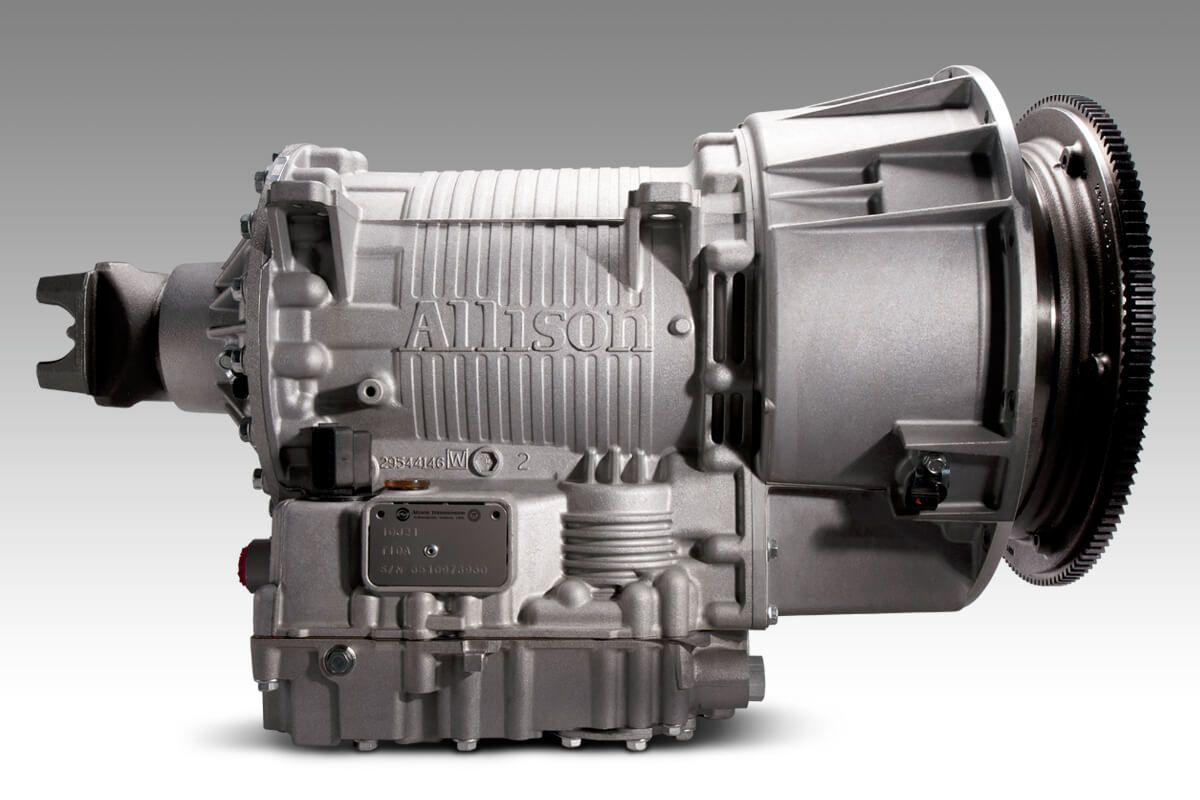
Truck breakdowns often result from mechanical failures that can occur without warning. Engine troubles, transmission issues, or brake malfunctions are among the most common problems. For instance, a fleet driver may find the truck stalling on a busy highway due to a faulty alternator. Roadside truck services are equipped to handle these issues with diagnostic tools and professional expertise, often providing temporary repairs that allow the vehicle to reach a full-service garage.
Tire Problems
Flat tires or blowouts are another frequent cause of roadside interruptions. Unlike cars, trucks carry heavier loads, making tire failure more dangerous and complex. A roadside technician can replace or patch tires on-site, sometimes carrying spare tires for common truck models. This service eliminates the need to wait for a tow and reduces the delay for deliveries.
Fuel and Battery Issues
Running out of fuel or experiencing a dead battery may seem minor, but they can halt operations entirely. Roadside services provide fuel delivery, battery jump-starts, and sometimes battery replacements. These services ensure that drivers can resume their journeys quickly, avoiding extended delays that impact schedules.
2. How Roadside Truck Services Work
Initial Contact and Dispatch
When a truck encounters trouble, the first step is contacting a roadside service provider. Most companies operate 24/7, allowing drivers to report issues through phone apps or direct calls. Dispatch centers assess the situation, determine the urgency, and deploy a technician with the right tools and parts. Quick, accurate communication at this stage is essential to minimize response time.
On-Site Assessment
Once the technician arrives, a detailed assessment is conducted. They identify the problem, evaluate whether an on-site repair is possible, and advise on next steps. For example, a technician may identify a fuel line leak and determine whether a temporary fix will allow the truck to reach a garage safely. This proactive assessment saves both time and additional damage to the vehicle.
Repair or Towing
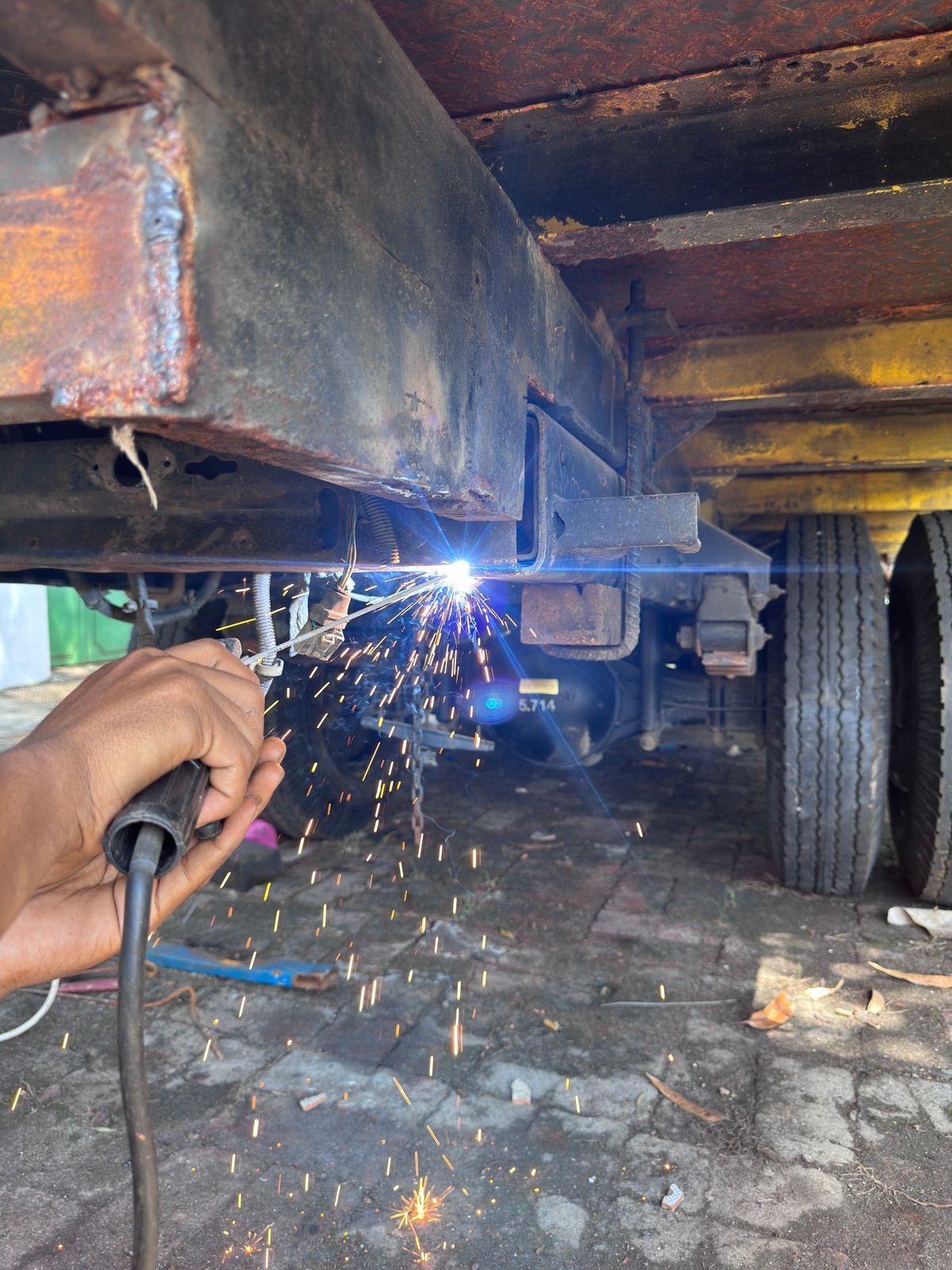
Depending on the severity of the issue, the technician may perform a temporary repair or arrange towing to a nearby service center. Some trucks may only require minor adjustments or part replacements, while others need full-scale towing. Roadside truck services maintain specialized equipment, including flatbed and heavy-duty tow trucks, to accommodate different truck types and ensure safe transport.
3. Benefits of Using Roadside Truck Services
Reduced Downtime
One of the most significant advantages of roadside assistance is minimizing downtime. For truck operators, every hour spent off the road translates to lost revenue. Prompt on-site service or efficient towing reduces delays and helps maintain schedules.
Safety and Security
Truck breakdowns can pose safety risks, especially on highways or remote routes. Roadside professionals are trained to handle potentially hazardous situations safely. They provide traffic control, proper lighting, and secure positioning of the vehicle to prevent accidents while performing repairs.
Cost-Effective Solutions
While some operators may attempt DIY repairs, roadside services often prevent further damage that could result in higher costs later. Immediate, professional intervention reduces the risk of costly mechanical failures and prolongs the lifespan of the truck.
Convenience for Fleet Operators
For companies managing multiple trucks, roadside assistance provides a centralized solution for unexpected breakdowns. Fleet managers can rely on a single service provider to respond to incidents across various locations, streamlining logistics and improving operational efficiency.
4. Challenges and Considerations
Accessibility Issues
Roadside assistance may be delayed if the truck is stranded in a remote location, dense traffic, or adverse weather. Understanding coverage areas and response times can help mitigate this risk. Some service providers offer GPS tracking and real-time updates to improve accessibility.
Complexity of Repairs
Heavy-duty trucks often have complex mechanical systems. Some problems cannot be fully addressed on-site and require specialized equipment at a repair facility. Knowing the limitations of roadside services helps set realistic expectations and prevents frustration.
Choosing a Reliable Provider
Not all roadside services maintain the same level of expertise and equipment. Choosing a reputable provider ensures quick, professional, and safe assistance. Customer reviews, certifications, and experience are key indicators of reliability.
Cost Variations
Service costs can vary depending on the type of repair, distance traveled by the technician, and emergency fees for after-hours calls. It’s important to understand pricing structures and whether subscription plans or fleet agreements are available to manage costs efficiently.
5. Best Practices for Truck Operators
Preemptive Maintenance
Regular maintenance is the first line of defense against roadside issues. Scheduled engine checks, tire inspections, and battery monitoring reduce the likelihood of unexpected breakdowns. Roadside services complement proactive maintenance by addressing emergencies that cannot be predicted.
Keeping Emergency Supplies
Truck operators should keep basic tools, spare fuses, a first aid kit, reflective triangles, and even spare fuel if regulations permit. These items enhance safety while waiting for roadside assistance and allow minor issues to be temporarily managed.
Documentation and Communication
Maintain up-to-date service records and insurance details. When contacting a roadside service, providing accurate truck information, problem description, and location coordinates accelerates response times. Fleet operators should establish communication protocols to streamline reporting.
Familiarity with Service Offerings
Understanding the scope of services offered by roadside assistance—such as tire changes, fuel delivery, battery replacement, and towing—helps operators make informed decisions during emergencies. This knowledge ensures realistic expectations and efficient solutions.
6. Real-World Scenarios and Expert Insights
Scenario 1: Flat Tire on a Highway
A truck carrying perishable goods experiences a blowout on a busy interstate. Roadside technicians arrive within 30 minutes, replace the tire, and guide the driver on safety precautions. The shipment continues without spoiling, demonstrating how roadside services prevent revenue loss.
Scenario 2: Dead Battery at a Remote Location
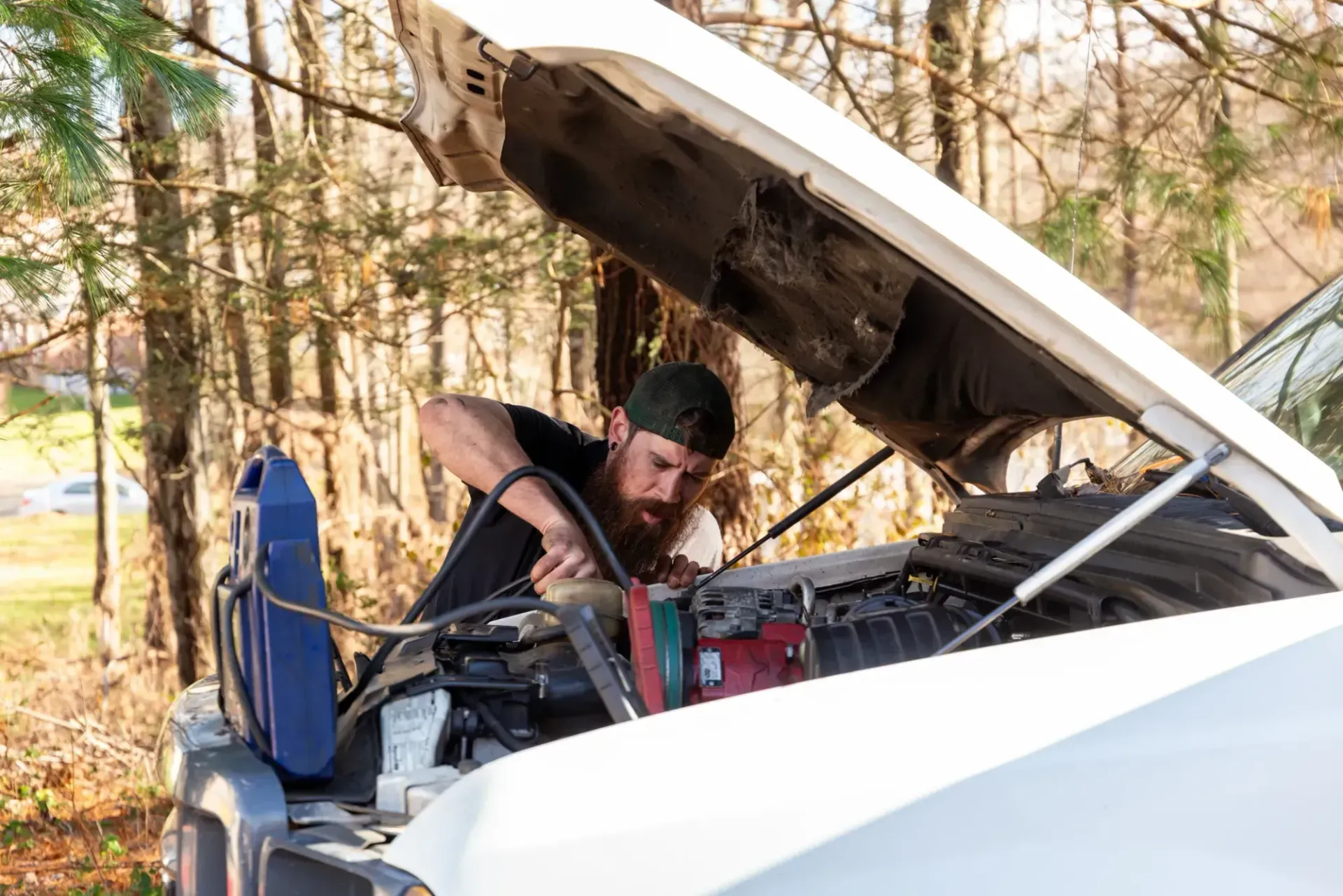
A long-haul truck in a rural area fails to start due to a dead battery. A technician provides an on-site jump-start and checks electrical systems, allowing the truck to resume its route. Without professional assistance, the driver would face hours of delay and safety risks.
Expert Insight: Preventive Strategies
Industry experts emphasize combining regular preventive maintenance with reliable roadside service subscriptions. Proactive measures like fluid checks, brake inspections, and tire rotations reduce emergency incidents, while roadside support ensures rapid resolution when issues arise.
Long-Term Benefits
Investing in professional roadside service not only saves immediate time but also extends vehicle lifespan. Timely intervention prevents minor problems from escalating into costly repairs. Fleet operators also benefit from streamlined operations, better driver satisfaction, and reduced insurance claims due to safer handling of breakdowns.
Roadside truck service is a vital support system for truck drivers and fleet operators, offering immediate solutions to mechanical failures, tire issues, fuel problems, and battery malfunctions. By understanding the process—from initial contact and on-site assessment to repairs and towing—operators can minimize downtime, enhance safety, and maintain schedule reliability. Leveraging professional roadside assistance also provides cost-effective solutions, prevents further damage, and streamlines fleet management. For businesses and individual operators seeking dependable service, partnering with an experienced provider ensures peace of mind on the road.
6. Real-World Scenarios and Expert Insights
Stanley & Sons Services, located in Middletown, CT, brings 20 years of trusted expertise in roadside truck assistance. Their team of skilled technicians is trained to handle a wide range of truck emergencies, from tire blowouts and battery failures to mechanical breakdowns and fuel delivery needs. With a focus on rapid response, safety, and professional service, they ensure that every client gets back on the road quickly and efficiently. Fleet operators and independent drivers alike rely on Stanley & Sons Services for reliable, 24/7 assistance, knowing that their trucks are in capable hands. Beyond emergency repairs, the company emphasizes preventive measures, offering guidance and insights that help reduce future breakdowns. Their commitment to quality, transparency, and customer satisfaction makes them a trusted partner for anyone who depends on their trucks for business or livelihood. With two decades of industry experience, Stanley & Sons Services stands as a proven authority, delivering solutions that save time, reduce stress, and maintain the operational integrity of your vehicles. Their reputation reflects consistency, reliability, and deep industry knowledge.